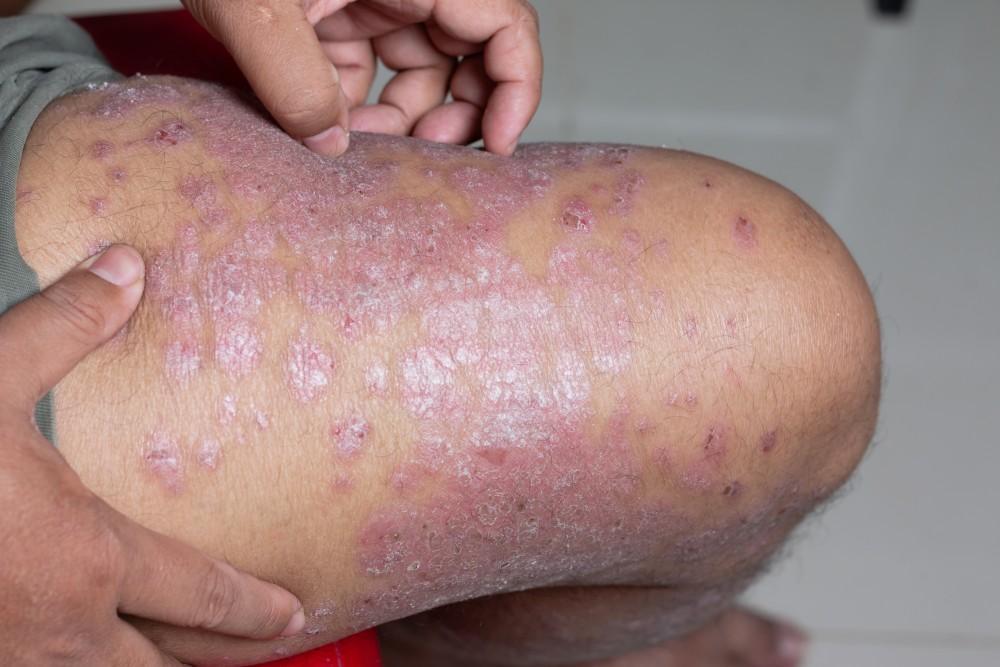
Everyone develops wounds and sores occasionally, and in most cases, these minor injuries heal on their own over the course of a week or so. Sometimes, though, sores persist, leaving open, exposed tissue and significantly increasing the risk of serious infection.
In some instances, those non-healing sores (or ulcers) are caused by problems with your immune system or nerve-related issues, like nerve damage that occurs with diabetes. But other times, circulation issues are to blame, including a condition called chronic venous insufficiency (CVI), a condition that affects as many as 40% of Americans.
As with many chronic medical issues, CVI tends to become more common with age. The good news: It’s treatable, and the sooner treatment begins, the better. Here, Inam Haq, MD, FACS, and Sushilkumar Samant, MD, FACS, explain how venous insufficiency impairs wound healing and how therapy at Laser & Varicose Vein Treatment Center can help.
Chronic venous insufficiency: The basics
When most people think about circulation, they think about the heart’s pumping action and its role in keeping blood moving throughout the body. But while your heart may provide the strongest pumping action, it’s not the only part of your body that helps your blood move in the right direction. Your veins play an important role, too.
Veins contain tiny valves that open and shut in rapid succession. These movements create a current for your blood that helps blood move from the peripheral parts or your body — like your feet and legs — back to your lungs and heart.
With chronic venous insufficiency, those valves are compromised or damaged. This interrupts the current that supports normal circulation. Blood tends to build up or pool, especially in your feet and lower legs, leading to swelling and excess pressure on your veins and the surrounding tissue.
Over time, excess pressure damages tissues, eventually leading to sores. And because CVI compromises your circulation, it also makes it more difficult for your body to heal, meaning those ulcers can persist long after normal healing would have occurred.
Treating chronic venous insufficiency
Our team diagnoses CVI by reviewing your medical history and your risk factors, combined with a physical exam and diagnostic testing when needed. Once the diagnosis is confirmed, we work with you to develop a treatment plan based on managing existing sores as well as focused on preventing future ulcers.
Healthy lifestyle
One of the best ways to promote healing and prevent future problems is to optimize your lifestyle to support healthy veins and overall cardiovascular wellness.
Eating a healthy diet is good for your body, and losing excess weight reduces pressure on your leg veins. Adding regular exercise to your daily routine improves overall blood flow. Elevating your legs when you can helps relieve swelling.
Compression stockings
Your doctor may suggest compression stockings. These help by applying consistent, gentle pressure on your lower legs, giving veins the added support they need to improve function and reduce swelling.
You can buy compression stockings over the counter, but because they come in different pressures, it’s important to ask our team which pressure they recommend for your needs.
Medications
Medications are available to thin your blood, especially if you’re at risk of developing clots, while others address inflammation and potentially improve vein tonicity. If you have an active infection or you’re at risk of developing an infection, your doctor may prescribe antibiotics.
Minimally invasive procedures
Sometimes, conservative treatments just aren’t enough. In those cases, our team may recommend minimally invasive treatments to shut down malfunctioning veins and improve circulation in the area. Our physicians are skilled in a variety of state-of-the-art treatments, and we can recommend the best one for your needs.
Don’t wait for a chronic wound to resolve on its own
While a small sore might not seem like a big deal, any opening that takes a long time to heal gives harmful bacteria a chance to cause infection, serious enough to lead to amputation or life-threatening sepsis. Sores can also cause considerable discomfort, affecting your ability to take part in activities you enjoy.
Prompt treatment provides the critical support your body needs to heal and repair itself, while vein treatment targets underlying chronic venous insufficiency.
If you have issues with slow-healing wounds, don’t wait for serious complications to develop. Request an appointment online or over the phone at Laser & Varicose Vein Treatment Center in Staten Island’s Midland Beach or Borough Park, Brooklyn, New York, today.